Living in Hougang: A Neighbourhood Guide for Home Buyers
What everyday life in Hougang is like: its Teochew heritage, food culture, parks, sports and shopping, how transport changes with the Cross Island Line, and what Hougang Central and LinkTown Residences (Hougang Central Residences) will add.
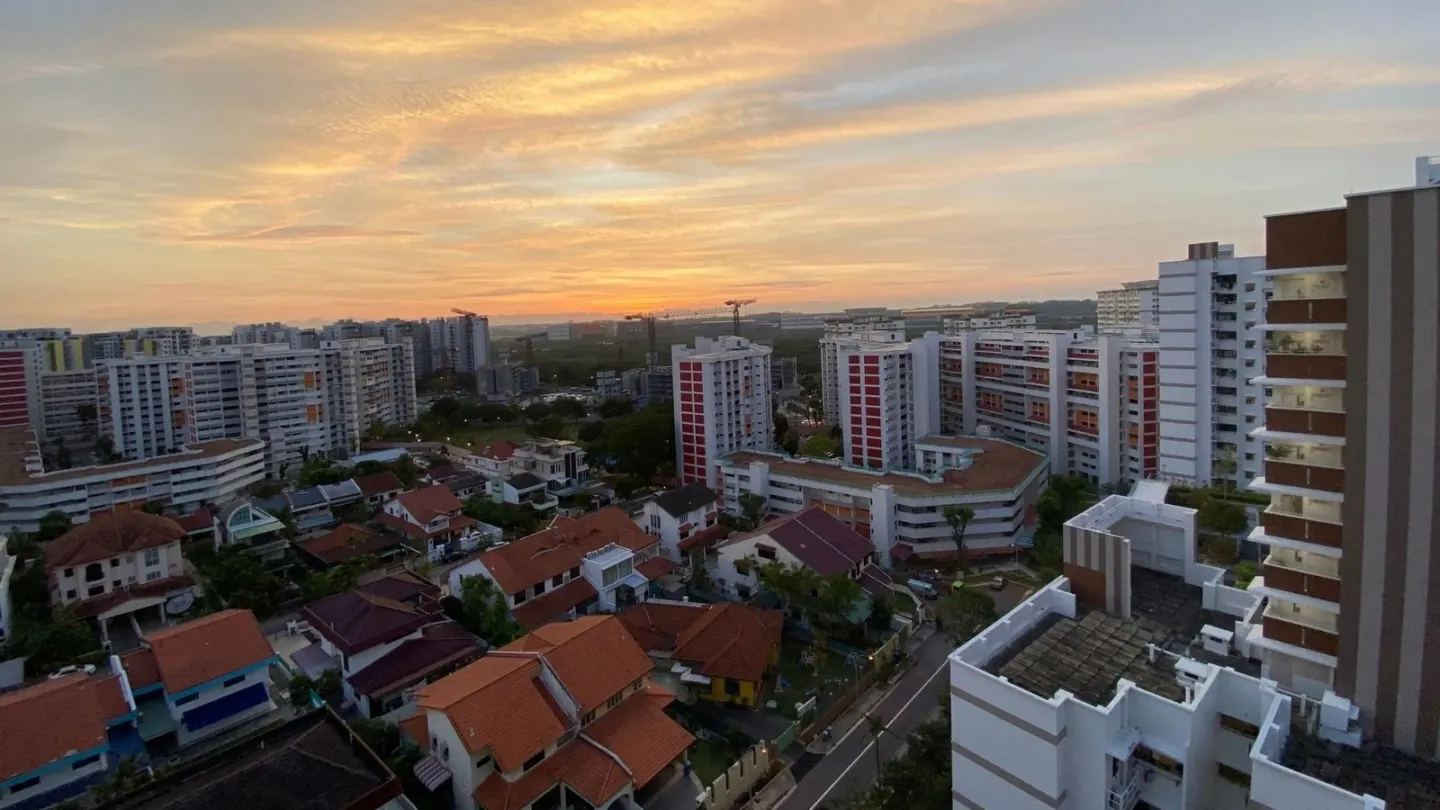
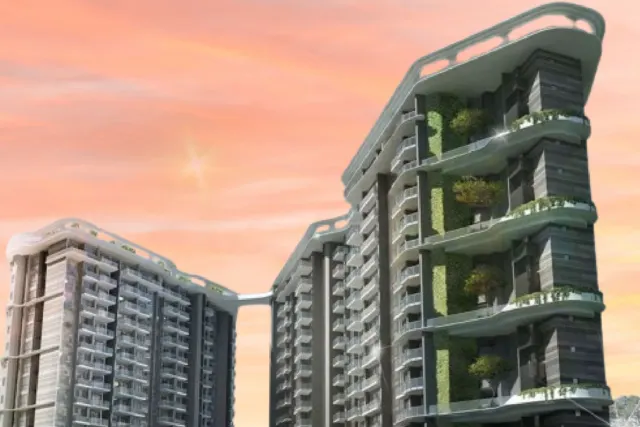
Hougang, Singapore, rarely makes headlines, and residents tend to like it that way. It is one of Singapore’s older, settled heartland towns: lots of families, lots of hawker food, green space nearby and a North-East Line station at its centre. It is also about to change more than it has in years. With LinkTown Residences (Hougang Central Residences) and a new town centre mall on the way, and the Cross Island Line (CRL) coming, many buyers are taking a closer look at the town for the first time.
This guide is about the Hougang neighbourhood itself: what living in Hougang is like today, and what is set to change. For the project’s exact location and travel times, see the location page.
Hougang history: where the name comes from
Hougang, 后港 in Chinese, means “rear port” or “back port”. The name is generally understood to describe the area’s position upriver along the Serangoon River, behind the river mouth. Long before the HDB blocks, this was a riverside, rural district of farms and villages.
The town has strong Teochew roots, and that heritage still shows in its temples, clan links and food. The Catholic community is also part of Hougang’s story: the Church of the Nativity of the Blessed Virgin Mary on Upper Serangoon Road is one of Singapore’s older Catholic churches and remains a local landmark. Several schools in the area, including Montfort Junior School next to the Hougang Central site, reflect the same history.
Everyday life in Hougang, Singapore
Hougang is home to around 230,000 people, mostly in HDB estates built from the 1980s onwards, with a scattering of private condos and landed pockets. The pace is unhurried. Mornings start at the coffeeshop, evenings end at the hawker centre, and weekends revolve around the park, the market and family.
Because the town is mature, the basics are already in place: markets, clinics, community clubs, enrichment centres and a spread of primary and secondary schools. What Hougang has lacked is scale in its retail. Private retail space per person is about 2.8 sq ft, against a national average of about 11.4 sq ft, so many residents head to Serangoon or Punggol for bigger shopping trips.
Housing is mostly HDB, which keeps the town grounded. Based on reported transaction data, Hougang’s median resale prices from January to November 2025 were about S$675,000 for a 4-room flat and about S$830,000 for a 5-room flat. Private condos are fewer. Older projects such as Riverfront Residences and The Florence Residences averaged roughly S$1,736 psf and S$1,877 psf in resale over the 12 months to mid-2026. We compare them with the new launch in LinkTown Residences vs nearby Hougang condos.
Food culture
Ask anyone in Hougang what they like about living there and food will come up quickly. The town has many hawker centres and coffeeshops, and it is known for Teochew-style dishes alongside the usual heartland spread of noodles, rice, porridge, zi char and late-night supper spots. Prices are neighbourhood prices, and competition keeps standards high.
Two food areas sit close by. Kovan, one MRT stop towards the city, has a busy strip of eateries and a well-used market and food centre. Serangoon Gardens, a short drive away, draws people from across the north-east for its food centre and cafés. We don’t name stalls here. Favourites change, and locals will argue about them anyway.
Parks and sports
Punggol Park, close to Hougang Central, is the town’s green centrepiece. Its lake loop is popular with joggers, families and dog walkers, and park connectors link it to the wider north-east network for longer runs and rides.
Hougang Sports Centre, near the development site, is the local public sports facility for workouts and games, and a good first stop if you want to join a class. Hougang Stadium is the traditional home ground of Hougang United. The club has recently played home matches elsewhere during redevelopment, so check the fixtures. With Punggol Community Club also nearby, there are plenty of classes and activities for children and seniors.

Shopping today and tomorrow
Today, Hougang Mall is the main shopping centre, about a two-minute walk from the Hougang Central site. It covers the essentials: supermarket, food court, pharmacy and everyday shops. For a wider choice, residents go to NEX in Serangoon or Waterway Point in Punggol, about a 15-minute drive away.
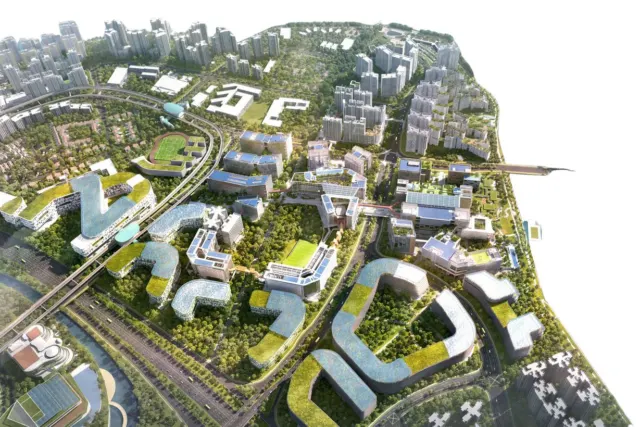
That changes with Hougang Central. The integrated development will include a mall of about 300,000 sq ft, developed and fully owned by CapitaLand Integrated Commercial Trust (CICT), and set to be the largest mall in Hougang. It is planned with a range of F&B, a town plaza with sheltered public event space and a new bus interchange. The tenant line-up has not been announced.
Transport today vs after the CRL
| Today | After CRL Phase 1 (~2030) | |
|---|---|---|
| MRT | Hougang (NE14) on the North-East Line | Hougang becomes an NEL–CRL interchange |
| To the city | Direct NEL to Dhoby Ghaut, Outram Park, HarbourFront | Unchanged, plus a new east–west option |
| To the east | Mostly by bus or car | Direct CRL to Defu, Tampines North, Pasir Ris, Loyang, Aviation Park |
| To the west | Change at Serangoon (two stops) | Direct CRL to Serangoon North, Tavistock, Ang Mo Kio, Teck Ghee, Bright Hill |
| Roads | KPE nearby; TPE and CTE accessible | Unchanged |
For drivers, the Kallang–Paya Lebar Expressway (KPE) makes the city and the east coast easy to reach. For everyone else, the CRL is the big shift: trips that now need a bus or a transfer become direct train rides. We cover the stations and timeline in detail in our Cross Island Line guide.
Who Hougang suits
- Families who want schools, parks and hawker food within reach, and grandparents who may live in a nearby HDB flat.
- HDB upgraders who already live in the north-east and want to stay close to their routines. See our HDB upgrader guide.
- Commuters heading to the city, or, after the CRL opens, to the east and to Punggol Digital District.
- Buyers who value a lived-in town over a new estate that is still filling in.
It suits people less if they want nightlife on the doorstep, a sea view or a short walk to the CBD.
What will change with Hougang Central
The Hougang Central site was the first major mixed-use GLS site in Hougang in over a decade. When complete, expected around 2030/2031, it will add about 830 private homes, the town’s largest mall, a rebuilt bus interchange and a new public plaza, with a direct link to an MRT interchange. That is a big step up for a town centre that has not changed much in years.
Expect some disruption during construction, and a busier town centre afterwards. For residents, the payoff is more retail and dining close to home, fewer trips out of town, and a stronger transport hub. The Punggol Digital District nearby adds jobs and a new university campus to the wider area.
If Hougang sounds like your kind of neighbourhood, register your interest for LinkTown Residences and we’ll let you know when the preview and price list are released.