Hougang Heritage: Teochew Roots, the Nine Emperor Gods Festival and Historic Churches
Hougang’s Teochew roots, the Nine Emperor Gods Festival at Tou Mu Kung, and the church that founded several local schools. A respectful heritage guide for residents and future buyers.
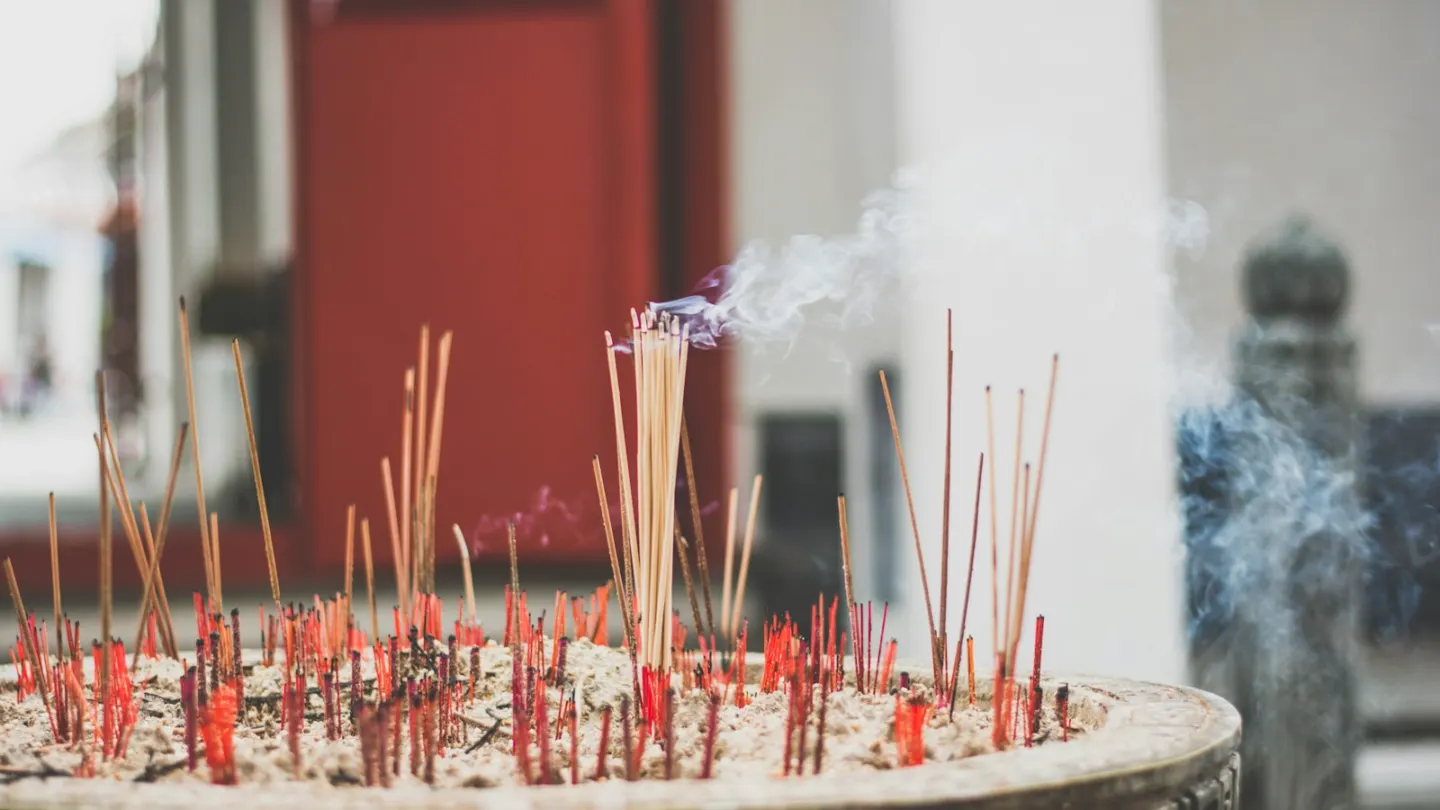
Every year in the ninth lunar month, a stretch of Upper Serangoon Road fills with devotees dressed in white, the scent of incense, and the sound of drums and gongs. This is the Nine Emperor Gods Festival at Hougang Tou Mu Kung, one of the most visible signs that Hougang is more than a ring of HDB blocks around an MRT station. The town has Teochew roots, a century-old temple and a Catholic parish older than most of Singapore’s schools.
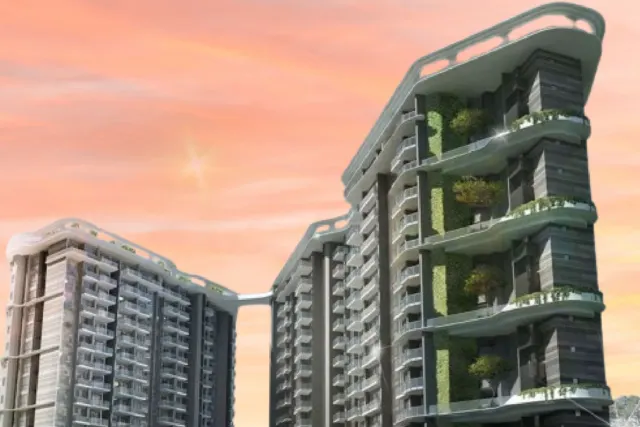
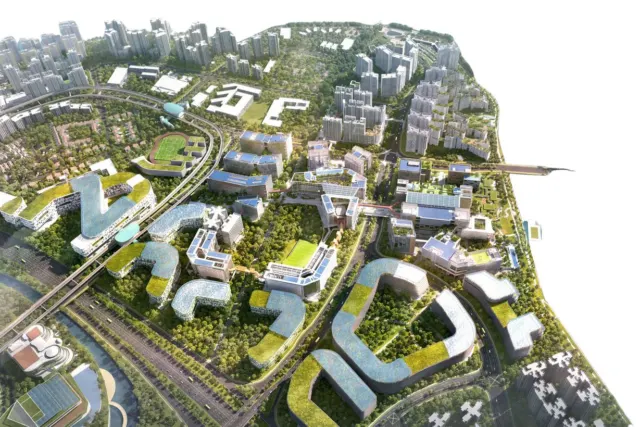
This guide is for residents, visitors and anyone looking at Hougang as a place to live, including buyers following LinkTown Residences (Hougang Central Residences), the integrated development planned above Hougang MRT. We keep things respectful and factual: these are active places of worship, not tourist attractions.
What Hougang means, and why the Teochew link matters
The name Hougang (后港) means “rear port” or, more loosely, “back of the river”. In Teochew and Hokkien it is pronounced Au Kang, and it refers to the area’s position upriver along the Serangoon River, which flows out towards Coney Island. The Mandarin name Hougang was adopted for the new town built from the 1980s.
Before the HDB estate, the 5th and 6th milestones of Upper Serangoon Road were farmland and villages, and the area was predominantly a Teochew enclave, with Hokkien and Hainanese communities nearby. That heritage still shows up in the food around the town, in clan and charitable halls, and in the two landmarks this guide focuses on. If you want the wider picture of daily life today, our Hougang neighbourhood guide covers it, and Chinese-speaking readers can use the 后港生活指南.
Hougang Tou Mu Kung: the Nine Emperor Gods temple
Hougang Tou Mu Kung (后港斗母宫) is the best-known Hougang temple outside the neighbourhood. According to the National Heritage Board, it began as a home shrine before moving to Upper Serangoon Road, where the present temple was completed in 1921. It is described as the oldest temple in Singapore dedicated to the Nine Emperor Gods (Jiu Huang Ye, 九皇爷), and it was gazetted as a national monument in 2005.
The temple is named after Dou Mu Yuan Jun, the Mother of the Big Dipper, who is regarded as the mother of the Nine Emperor Gods. Historically it served both the Hokkien and Teochew communities around it, and today devotees come from across Singapore, especially during the festival.
The Nine Emperor Gods Festival: what happens
The Nine Emperor Gods Festival is a Taoist festival that has been part of Singapore’s Intangible Cultural Heritage inventory since 2019. More than 20 temples here mark it, and Tou Mu Kung is the oldest of them. Practices differ between temples, but the National Heritage Board describes these common elements:
- Welcoming the gods. Around the end of the eighth lunar month, temples hold receiving ceremonies, often at night by the sea, before bringing the deities back to the temple.
- Nine lamps. The raising of nine oil lamps marks the start of the festival. The lamps are tended throughout the nine days.
- Purity and fasting. Many devotees keep a strict vegetarian diet, avoiding meat, eggs, milk, garlic and onions, some for weeks beforehand. Temple helpers and devotees wear white or yellow.
- Processions. At Tou Mu Kung, the climax has traditionally been a procession of nine heavy, richly decorated sedan chairs through the streets, alongside Chinese opera performances.
- Sending off. On the ninth day of the ninth lunar month, temples send the gods off. Paper ships carrying offerings are burned by the water, symbolising the removal of bad luck.
Nine Emperor Gods Festival 2026 dates
The festival follows the lunar calendar, so the Gregorian dates move every year. In 2026 the first to ninth days of the ninth lunar month fall on roughly 10 to 18 October. Some preparations and the welcoming rites take place a few days before. The temple sets its own programme, so check its notices before you plan a visit.
Visiting respectfully
- Dress modestly. Many devotees wear white, but visitors are not expected to.
- Give way to processions and temple volunteers, and don’t walk between devotees and the altars during rites.
- Ask before photographing people at prayer, and avoid flash inside the temple.
- Expect crowds, smoke and heavier traffic along Upper Serangoon Road on key nights. Take the NEL rather than drive if you can.
- Vegetarian food is part of the festival. It is a good time to try it, but don’t bring meat into the temple grounds.
The Church of the Nativity of the Blessed Virgin Mary
A short distance along Upper Serangoon Road stands the Church of the Nativity of the Blessed Virgin Mary, one of Singapore’s older Catholic churches and, according to the National Heritage Board, the oldest place of worship in Hougang.
The mission here was founded in 1852 by Father Ambroise Maistre of the Paris Foreign Missions Society, with an attap chapel built in 1853 to serve a growing community of Teochew Catholics. The present Neo-Gothic church, with its pointed arches and ribbed vaults, was completed in 1901, and further sections were added in 1933. The church was gazetted as a national monument in 2005. Teochew-language masses have been part of its tradition, another reminder of the town’s roots.
The parish also shaped education in the area. Several schools began on the church grounds, including the forerunners of Holy Innocents’ High School, Montfort Junior and Secondary schools, and CHIJ Our Lady of the Nativity. Some of these names will be familiar to parents looking at schools near LinkTown Residences, where Montfort Junior School sits next to the site.
Other historic places of worship in Hougang
The National Heritage Board’s self-guided Hougang Heritage Trail links 19 sites across three routes. Alongside Tou Mu Kung and the Church of the Nativity, it includes:
- 1921Masjid Haji YusoffDescribed as the oldest mosque in Hougang.
- 1932Paya Lebar Methodist ChurchOne of the Protestant churches on the trail.
- 1936St. Paul’s ChurchAnother of the area’s older churches.
The trail also covers kampong-era memories, early HDB blocks and community institutions. Walking one route is a good way to spend a morning, and pairs well with ideas in our weekend guide to Hougang or lunch in Kovan and Serangoon Gardens.
Hougang history and the future Hougang Central
Hougang has changed shape many times: from river villages and plantations to one of Singapore’s larger HDB towns, home to around 230,000 people. The next change is at its centre. The Hougang Central GLS site, awarded in January 2026 to UOL, CapitaLand Development and CICT, will bring about 830 homes, a mall of about 300,000 sq ft, a new bus interchange and a town plaza with sheltered event space, all linked to Hougang MRT (NE14). Completion is expected around 2030/2031.
Tou Mu Kung and the Church of the Nativity are both along Upper Serangoon Road, within reach of the town centre by bus or on foot, depending on where you start. Check the exact routes on a map; our LinkTown Residences location page shows what is around the site.
Plan your visit and stay in touch
For the Nine Emperor Gods Festival this year, aim for the evenings between about 10 and 18 October 2026, check the temple’s own notices for ceremony times, and take the North-East Line to Hougang or Kovan. For quieter visits, weekday mornings at the church or along the heritage trail work well.
If you are following LinkTown Residences and want updates on prices, floor plans and preview dates when they are announced, register your interest here. There’s no obligation, and we’ll only send project news.
Heritage details are drawn from National Heritage Board (Roots.gov.sg) resources and other public sources. Festival dates follow the lunar calendar and are approximate; rites and processions are organised by the temple and may change. Information as at Sep 2026.