Condos Near MRT in Singapore: Why a Direct Link Matters and What to Check
Buying a condo near MRT in Singapore? What “near” really means, what research says about MRT proximity and prices, and a checklist for judging any new launch near MRT, including Hougang.
Ask any Singapore buyer what they want in a new home and “near MRT” lands in the top three, usually right behind budget and school. Yet a condo near MRT can mean anything from a covered bridge straight into the station to a 15-minute walk along a main road. The label is loose; the daily experience is not.
This guide explains what to measure when a listing says “near MRT”, what research says about the price effect, and a practical checklist for comparing any new launch near MRT. We use LinkTown Residences (Hougang Central Residences), the Hougang Central GLS condo planned above Hougang MRT, as a worked example.
What “condo near MRT” should really mean
Most marketing uses straight-line distance from the site boundary. You live in a unit in a specific block, and you walk a real path. Three measurements matter more than the headline number:
- Door-to-gantry walking time. Walk it yourself from the lift lobby of the block you are considering to the fare gates, not to the nearest station exit sign. In a large development, the far block can add several minutes.
- Shelter. In Singapore rain and heat, a covered 8-minute walk often feels shorter than an exposed 5-minute one. Check for linkways, underpasses and covered crossings.
- Crossings and gradients. Traffic lights on a major road, an overhead bridge with stairs or a slope can matter a lot if you push a pram, carry groceries or care for an elderly parent.
A common rule of thumb is that under roughly 400–600 metres of walking is genuinely near. Beyond about 1 km, most people start taking a feeder bus, and the “near MRT” benefit starts to fade.
Why a direct link is a different category
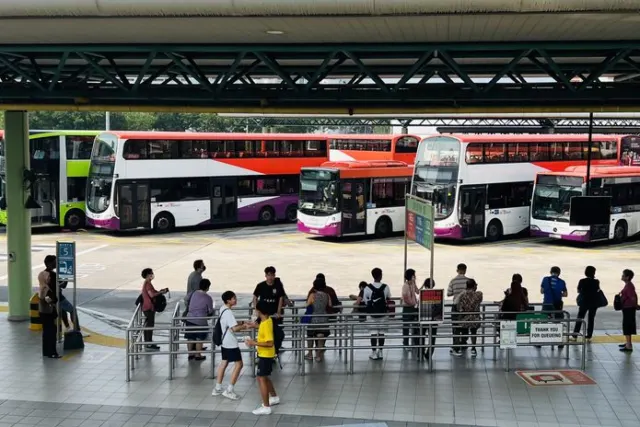
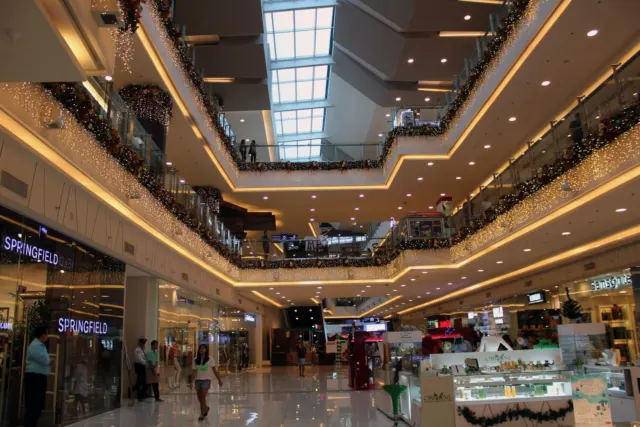
Integrated developments take proximity a step further: the station, a bus interchange and a mall are part of, or physically connected to, the same site. You go down, walk through a sheltered connection and tap in. We cover the concept in what is an integrated development, and our list of integrated condos in Singapore shows examples such as Watertown, Bedok Residences, Northpark Residences and Sengkang Grand Residences.
What a direct link changes in practice:
- All-weather access to the train, buses and daily errands.
- Car-optional living for many households, which can save far more each year than a small difference in price.
- Simple tenant appeal. “Linked to the MRT” is easy for tenants to understand, which helps if you ever rent out the unit.
The trade-offs are real too. You live above a busy public hub, so noise, crowds at peak hours and the privacy of low floors facing the plaza are worth thinking about. Our guide on choosing a stack in an integrated condo goes through these in detail.
Does being near MRT raise condo prices?
There is good evidence that it does, though the size of the effect varies. A study by researchers at the National University of Singapore (Diao, Leonard and Sing, 2017) used the opening of the Circle Line as a natural experiment. It found that non-landed private homes within about 600 metres of network (walking-route) distance from new Circle Line stations rose by approximately 7.8% in value relative to comparable homes outside that zone. The researchers also found an “anticipation” effect appearing about a year before the line opened.
Two cautions before you read too much into any single number:
- That result is for one line, one period and one method. Other lines, towns and market cycles will differ.
- A premium already paid at purchase is not a gain. If a new launch is priced with the MRT link fully baked in, the benefit to you is mainly convenience and resilience of demand, not extra profit.
So treat MRT proximity as something that supports value and demand over time, not a guaranteed return.
Check the line, not just the station
Being near an MRT station is only useful if it is on the line you need. Before comparing condos near MRT, list your household’s regular trips: work, school, parents’ home, the hospital you use. Then ask:
- Is it a direct ride, or how many changes?
- Is the station an interchange? Interchanges cut transfers for many trips at once.
- Is there a future line coming, and what is the official target year?
Worked example: Hougang MRT (NE14)
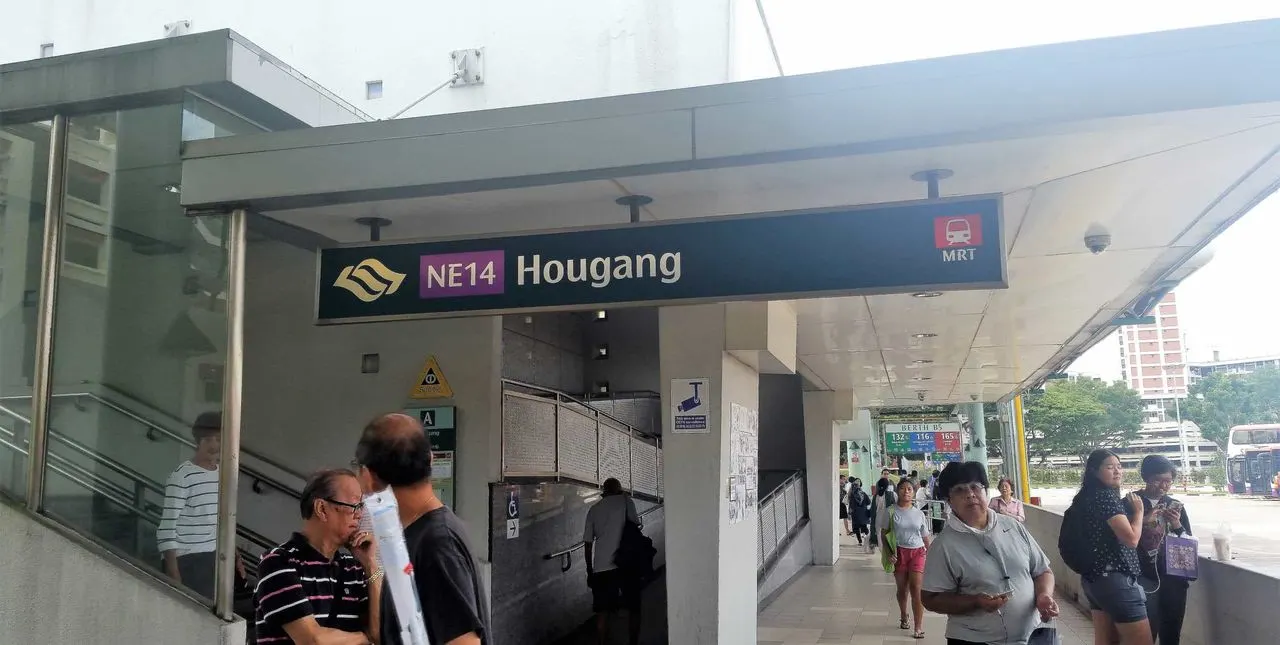
Hougang MRT sits on the North-East Line (NEL). From Hougang it is two stops to Serangoon for the Circle Line, and the NEL runs directly to Dhoby Ghaut, Outram Park and HarbourFront without a change. Kovan (NE13) is one stop towards the city. Our Hougang Central commute guide maps common trips stop by stop.
Hougang is also set to become an interchange with the Cross Island Line (CRL) when Phase 1 opens, targeted for around 2030 (see our Cross Island Line opening date timeline). That adds an east–west link through Pasir Ris, Tampines North, Serangoon North and Ang Mo Kio to Bright Hill.
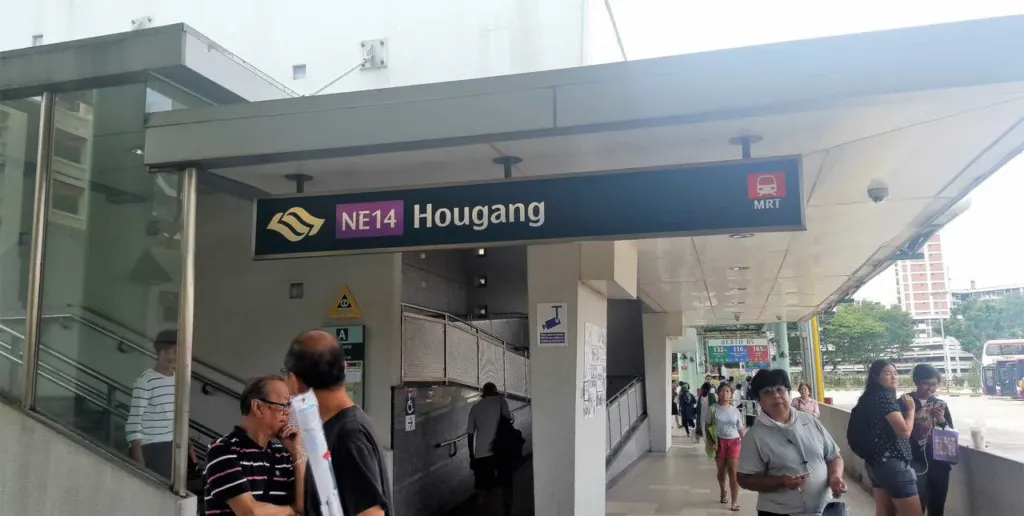
- NE14North-East Line todayDirect to Serangoon (CCL), Dhoby Ghaut, Outram Park and HarbourFront.
- CRLCross Island Line (~2030)Phase 1 makes Hougang an NEL–CRL interchange, per LTA’s target.
- BUSNew bus interchangeA new Hougang bus interchange is integrated into the Hougang Central site.
LinkTown Residences is the private condo component of the Hougang Central integrated development, planned with a direct link to Hougang MRT, a new Hougang Central bus interchange and a mall of about 300,000 sq ft. That makes it one of the few new condos near MRT in Singapore that is actually built into the transport hub, rather than a short walk away. Sales are expected to open in early 2027; prices have not been announced.
Checklist: comparing any new launch near MRT
| Check | What to look for | Where to verify |
|---|---|---|
| Walking route | Time from the specific block to the fare gates, not the site boundary | Site plan, OneMap, walk it on a weekday |
| Shelter | Covered link, underpass or through-mall route | Site plan, developer materials, LTA plans |
| Line and stations | Direct rides to your key destinations; interchange status | LTA rail map |
| Future lines | Official target year and the nearest planned entrance | LTA announcements |
| Bus links | Bus interchange or stops for routes rail doesn’t cover | LTA / bus operator route maps |
| Noise and privacy | Stacks facing tracks, bus bays or a public plaza | Site plan, elevation chart |
| Price premium | psf versus similar condos further from the station | URA transaction data |
Future stations: upside with a timeline
Many condos are marketed on a station that does not exist yet. That can work well, as the Circle Line research suggests, but it moves part of the benefit into the future. Before paying for it:
- Use the official LTA target year and assume it can move. Large tunnelling projects sometimes slip.
- Check where the actual station entrances will be. A “future station 300 m away” can be a longer walk if the entrance is on the far side.
- Ask whether the home works for you today without the new line.
At Hougang, the existing NEL station already works today; the CRL is an addition. That is a different risk profile from buying somewhere that depends entirely on a line yet to open. Our CRL Phase 1 stations guide covers each new stop.
Who benefits most from living near MRT?
- Car-free households and those planning to give up a second car.
- Families with young children or elderly parents, where sheltered, step-free access matters daily.
- Investors targeting tenants, since transport access is one of the first filters renters apply. See our note on rental potential.
If you drive everywhere and value quiet above all, a condo slightly away from a busy station may suit you better and cost less per square foot.
Next steps
Shortlist by your real commute, walk the route, and compare prices against similar condos further from the station using transaction data. If a directly linked home above an upcoming NEL–CRL interchange fits your plans, register your interest in LinkTown Residences to receive the site plan, stack details and prices once they are released.
Research findings are summarised from the cited study and may not apply to every location or period. Transport timelines are LTA targets and may change; check LTA for the latest. Information as at Sep 2026.