Integrated Condos in Singapore: Examples and What They Tell Buyers
A side-by-side look at integrated condos in Singapore, from Watertown and Bedok Residences to Parktown Residence, the patterns they share, the trade-offs, and where LinkTown Residences (Hougang Central Residences) fits.
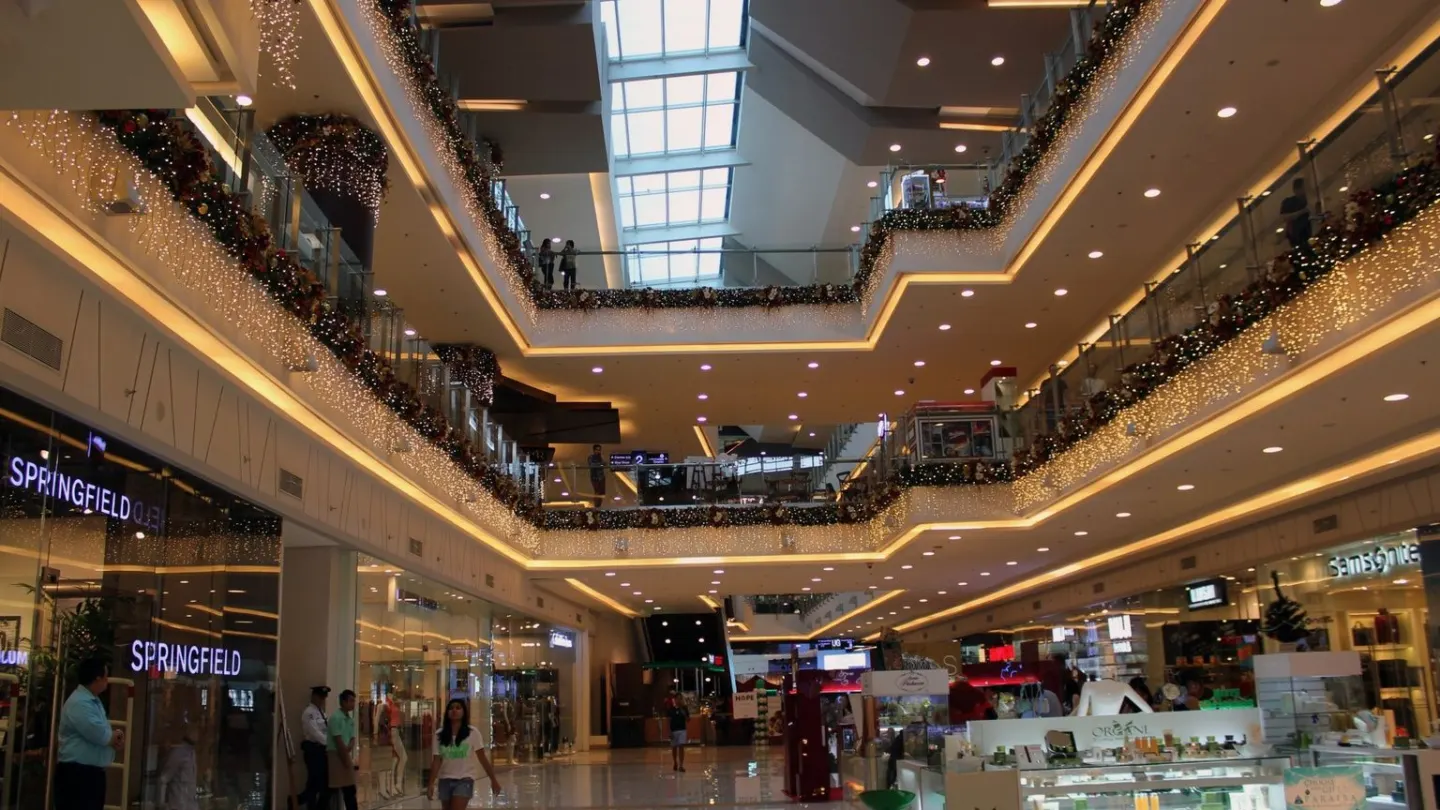
Say “integrated condo” to a Singapore buyer and most will picture the same thing: take the lift down, walk through a mall, tap into the MRT. Over the past decade and a half, a string of these projects has been built across the heartland, and they have become a category of their own. This guide lists examples of integrated developments in Singapore, looks at what they have in common, and uses them to judge LinkTown Residences (Hougang Central Residences), the upcoming Hougang Central integrated development.
If you want the basics first, such as what counts as “integrated” and a pre-purchase checklist, read our explainer What is an integrated development? This article is the comparison: which projects are out there and what they tell buyers.
Integrated development in Singapore: examples of integrated condos
The table below gives examples, not an exhaustive list. It describes what each project is linked to in general terms only. We have left out prices and dates on purpose. Many of these projects are several years old and in very different markets, so their numbers are not a fair guide to today’s prices.
| Project | Town | Integrated with (in general) |
|---|---|---|
| Watertown | Punggol | Waterway Point mall, Punggol MRT |
| Bedok Residences | Bedok | Bedok Mall, Bedok MRT and bus interchange |
| Northpark Residences | Yishun | Northpoint City, Yishun MRT and bus interchange |
| Hillion Residences | Bukit Panjang | Hillion Mall, Bukit Panjang MRT and LRT |
| J Gateway | Jurong East | Jurong East town centre and its MRT interchange |
| The Woodleigh Residences | Bidadari / Woodleigh | The Woodleigh Mall, Woodleigh MRT |
| Pasir Ris 8 | Pasir Ris | Pasir Ris Mall, Pasir Ris MRT |
| Sengkang Grand Residences | Sengkang | Sengkang Grand Mall, bus interchange, community club, hawker centre |
| Lentor Modern | Lentor | Lentor MRT, retail space |
| Parktown Residence | Tampines North | Mall, bus interchange, community club, hawker centre, future Tampines North CRL station |
| LinkTown Residences | Hougang | ~300,000 sq ft mall (CICT), new bus interchange, town plaza, Hougang MRT (NE14), future CRL interchange |
Descriptions are general and simplified. Check each project’s own materials for the exact links and facilities.
Pattern 1: the town centre, not the fringe
Almost every project on the list sits in the heart of an established or emerging HDB town. The site is where the town’s main MRT station, bus interchange and biggest mall already meet, or will soon. This is no accident. Integrated sites are usually released by the government as part of a town centre plan, so the homes come with the commercial core.
For buyers, the location sets the ceiling. Bedok, Yishun, Jurong East and Pasir Ris each serve large catchments, so the mall below the homes draws shoppers from well beyond the condo. That footfall keeps the retail mix broad, which residents benefit from every day.
Pattern 2: MRT + mall + bus interchange
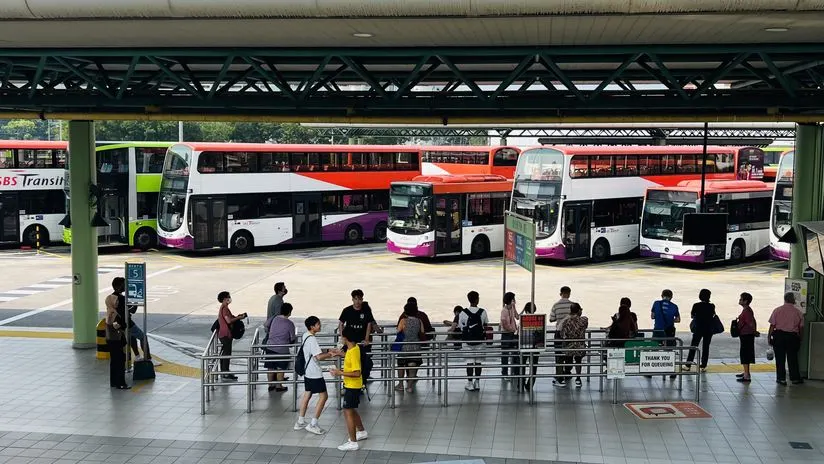
The strongest examples combine all three. An MRT station on its own gets you downtown. A bus interchange fills the gaps, with feeder routes to the rest of the town and direct buses to places the train doesn’t reach. A mall handles groceries, clinics, tuition and dinner without a car.
Projects with only one or two of these still count as integrated, but the everyday convenience is noticeably different. When you compare projects, list the links each one has rather than relying on the word “integrated”.
Pattern 3: community facilities are joining the mix
Newer projects go further than retail. Sengkang Grand Residences and Parktown Residence both include a community club and a hawker centre alongside the mall and bus interchange. That turns the podium into a civic hub, not just a shopping centre, and brings people in at all hours and for all ages.
Pattern 4: rail lines that are still coming
Several recent projects were sold partly on a future line. Lentor Modern is tied to the Thomson–East Coast Line. Parktown Residence sits by the future Tampines North station on the Cross Island Line (CRL). Pasir Ris is also on CRL Phase 1. Buyers in these projects are paying today for connectivity that improves after they move in. That adds upside, but it also means relying on a timeline.
What tends to make them popular
- Weather-proof daily life. Sheltered access to the train, bus and shops matters in a tropical climate, especially for families with young children and older parents.
- Car-optional living. Many households find they can drop a car, or keep just one.
- Tenant appeal. Direct MRT access is simple to market and easy for tenants to understand.
- Scarcity. Each town usually gets only one or two such sites, so there is limited competing supply of the same product nearby.
- Developer track record. Big mixed-use sites tend to go to large, experienced groups, often with a mall owner in the consortium, which reassures buyers about how the retail will be run.
Sengkang Grand Residences is a useful example for the north-east. Based on reported transaction data, its resale transactions averaged about S$2,011 psf in 2025, a clear premium over most older condos in the area.
The trade-offs
- You pay for the convenience upfront. Integrated projects usually launch at a premium to nearby non-integrated condos. How much of that premium holds at resale varies.
- Crowds and noise. The mall and interchange are busy, and you live above them. Stack, facing and block position matter more than usual.
- Shared spaces. Residential and commercial parts share some structure and access points. Check how drop-offs, car parks and security are separated.
- Timeline risk. If the story depends on a future MRT line, delays affect the timing of the benefit.
- Unit sizes. High land costs can push developers towards compact layouts. Compare floor plans, not just psf.
Where LinkTown Residences fits
LinkTown Residences will be the residential part of the Hougang Central GLS site, which was awarded in January 2026 to UOL, CapitaLand Development and CapitaLand Integrated Commercial Trust (CICT). Measured against the patterns above, it ticks most of the boxes:
- NE14MRT todayA direct link to Hougang MRT on the North-East Line, which already runs to Serangoon, Dhoby Ghaut, Outram Park and HarbourFront.
- CRLMRT tomorrowHougang is set to become an NEL–CRL interchange when Cross Island Line Phase 1 opens, targeted around 2030.
- 300kLargest mall in HougangAbout 300,000 sq ft of retail, developed and fully owned by CICT, in a town where private retail space per resident is well below the national average.
- BusNew interchangeA new Hougang bus interchange, plus a sheltered town plaza for public events.
Three things set it apart from the list. First, it has an interchange from the start: many integrated condos sit on a single line, while Hougang gets a second. Second, it is in a mature town of around 230,000 people, so the mall has a large, established catchment rather than one that is still filling in. Third, the mall’s long-term owner, CICT, is part of the winning consortium and already runs malls such as Tampines Mall and Junction 8.
The obvious reference point is Parktown Residence, from the same developer family and also on the CRL. We compare the two in LinkTown Residences vs Parktown Residence, and the rail story is covered in our Cross Island Line guide.
How to use this list
Don’t buy on the label. When the details of LinkTown Residences are released, check it against the same questions you would ask of any project in the table: How many transport links, and how direct? How big and how varied is the mall? Which stacks face the busy side? How efficient are the layouts for the price? The project overview is updated as details are confirmed.
If you’d like the site plan, price list and preview dates as soon as they are out, register your interest and we’ll send them to you. No obligation.