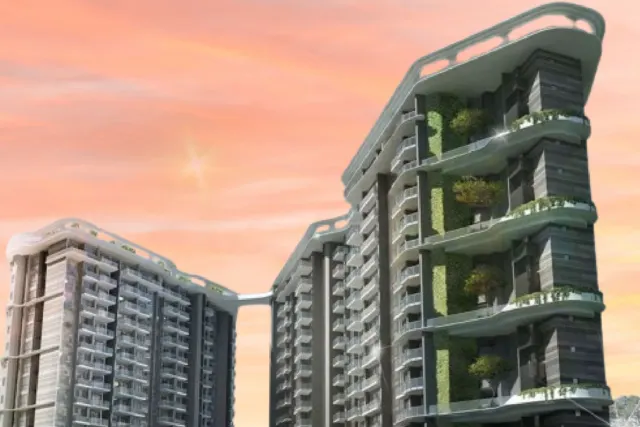
What Is an Integrated Development — and Why Do They Sell Out?
Condos built together with an MRT station, bus interchange and mall are a Singapore favourite. What “integrated” really means, the pros and cons, and a checklist before you buy.
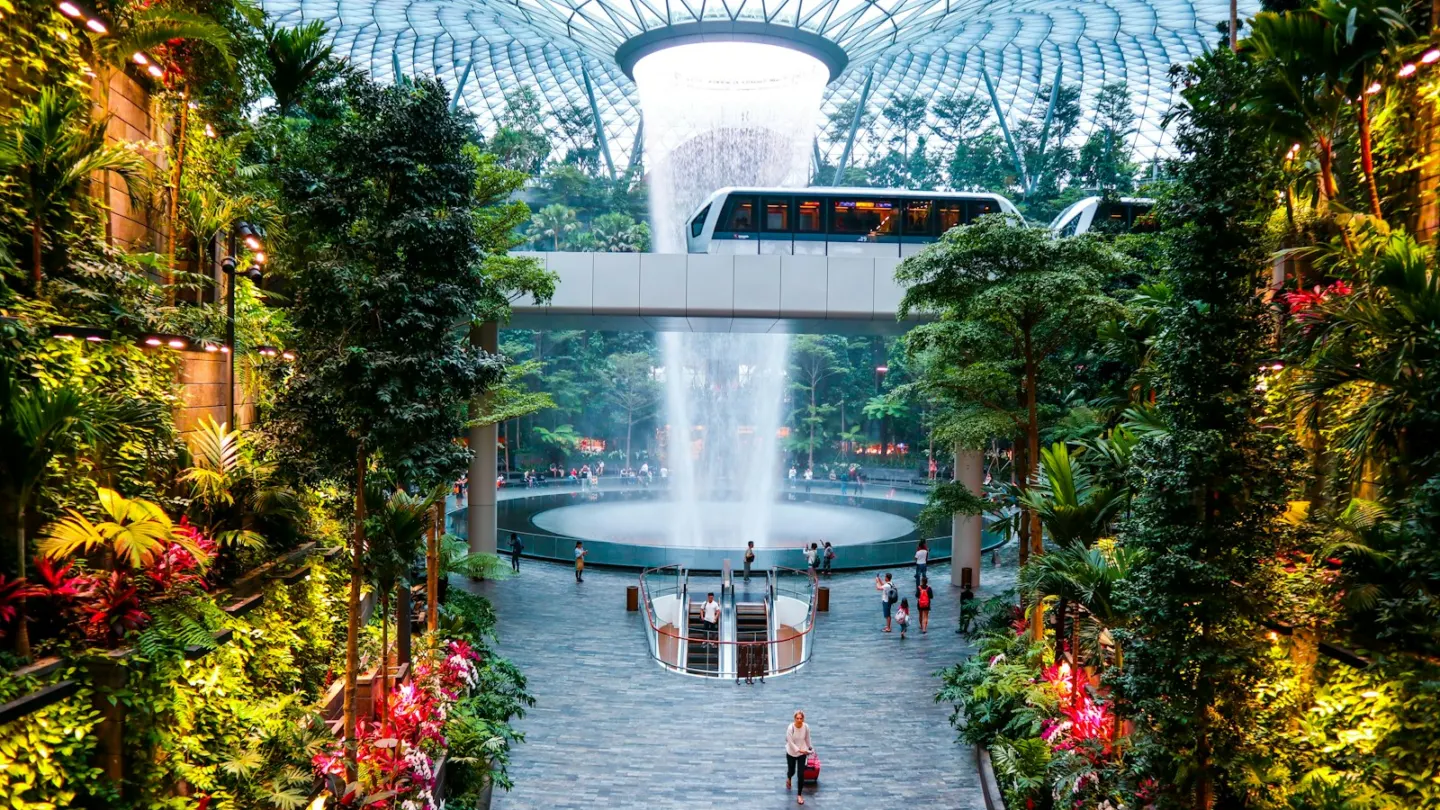
In Singapore property, an integrated development is a private residential project built on the same site as public transport and retail. Usually that means an MRT station and/or bus interchange, plus a mall, and sometimes a community club or hawker centre. You take a lift down from your home to the shops and the station without stepping into the rain.
They are a favourite of buyers and tend to sell well at launch. This guide explains what the term covers, why these projects are popular, the downsides people don’t always mention, and a checklist to use at the showflat.
What makes a development “integrated”
There is no single legal definition, and marketing uses the word loosely. A useful test is whether the project combines at least two of these on one site, with direct, sheltered connections between them:
- 1TransportA direct link to an MRT station, a bus interchange, or both.
- 2RetailA mall or commercial podium with daily needs such as a supermarket, food and clinics.
- 3CommunityCivic facilities such as a community club, hawker centre, library or public plaza.
- 4HomesPrivate residential towers above or beside the podium.
A condo that is “near” an MRT and “near” a mall is not integrated. The distinction is the physical connection. Be sceptical of listings that stretch the term.
These sites usually come from the Government Land Sales programme as mixed-use parcels in town centres. Because a town centre only has one transport hub, there are only a few such sites in each town, often released many years apart.
Why buyers like them
- Everyday convenience. Groceries, clinics, food and transport under one roof, sheltered from sun and rain. For families with young children or elderly parents, this is often the deciding factor.
- Time saved. A few minutes saved on each trip adds up over years of commuting.
- Rental appeal. Tenants value direct MRT access, which tends to support occupancy.
- Scarcity. With few integrated sites per town, buyers who want one in a specific estate may not see another for a long time.
- Managed surroundings. The mall and plaza are run by a commercial landlord with a reason to keep them clean, safe and busy.
The trade-offs
- Price premium. You pay for the convenience, often a noticeable psf premium over nearby condos. Make sure you value the convenience enough to pay for it.
- Crowds and noise. Lower stacks facing the plaza, bus bays or MRT tracks can be busier and louder, especially at peak hours and weekends.
- Shared access. Residents share the site with shoppers and commuters. How well residential lobbies and drop-offs are separated varies by design.
- Construction and timing. Transport and retail works are complex. Completion depends on several parties working to the same schedule.
- Less greenery at ground level. The podium is commercial, so residents’ facilities are often on a deck above it rather than at ground level.
Integrated vs “near the MRT”: does the difference matter?
A condo five minutes’ walk from a station is convenient. But the daily experience is different from a direct link. With an integrated project, the walk is sheltered and often air-conditioned, there are no roads to cross, and the supermarket is on the way home. Over years, those small differences are what buyers are paying for.
For resale, the distinction also tends to be clearer to future buyers. “Directly connected to the MRT and mall” is easy to understand and hard for newer projects nearby to copy, because the town-centre site has already been used. That is one reason integrated projects have tended to hold buyer interest well after launch.
Two examples in the north-east and east
Sengkang Grand Residences
A CapitaLand and CDL joint venture of 680 units, integrated with Sengkang Grand Mall, a bus interchange, a community club and a hawker centre. It was completed around 2023. Based on reported transaction data, resale averaged about S$2,011 psf in 2025. It shows how an integrated project in a mature north-east town has been valued after completion.
Parktown Residence
At Tampines Street 62, Parktown Residence has 1,193 units and is integrated with a mall, a bus interchange, a community club, a hawker centre and a future Tampines North CRL station. It is a joint venture of UOL, Singapore Land Group (a UOL subsidiary) and CapitaLand Development. On its February 2025 launch weekend, about 87% of units (1,041) were reported sold at an average of about S$2,360 psf. It was later reported about 98% sold at an average of about S$2,484 psf.
Both examples show the pattern: strong buyer interest, and prices above surrounding older condos. See our LinkTown Residences vs Parktown Residence comparison for a closer look.
Checklist: what to ask before you buy
- Which stacks face what? Identify stacks facing the town plaza, bus bays, MRT tracks or loading bays, and those facing parks or open views.
- How do you get to the MRT? Is the route sheltered, how many minutes from your lift lobby, and do you need to pass through the mall?
- Who owns and runs the mall? A long-term owner, such as a REIT, usually has a stronger reason to maintain it than a strata-titled podium with many owners.
- What is the retail mix? A supermarket, clinics and food court matter more day to day than fashion outlets.
- How is residential access separated? Check the residents’ drop-off, visitor parking, and whether lift lobbies are secured.
- How many units share the facilities? A large project means more people in the pool and gym.
- What is the timeline for each part? Homes, mall and transport works may not finish at the same time.
- What will maintenance cost? Ask how shared areas between the condo and commercial parts are divided, once the developer publishes details.
How LinkTown Residences fits
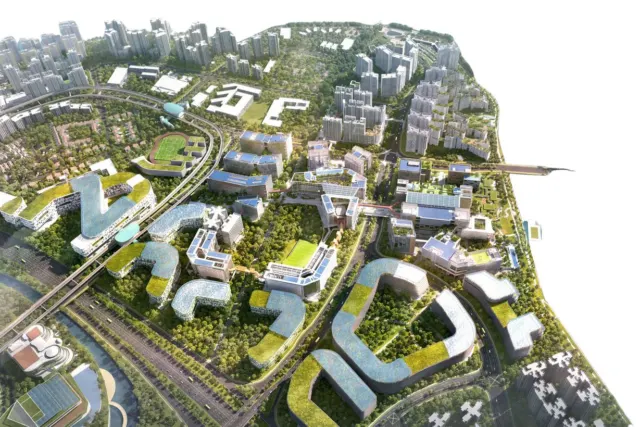
LinkTown Residences (Hougang Central Residences) ticks every box in the definition above. The Hougang Central integrated development is planned with:
- A direct link to Hougang MRT (NE14), a future North-East Line and Cross Island Line interchange.
- A new Hougang bus interchange.
- A mall of about 300,000 sq ft of net lettable area, developed and 100% owned by CICT, set to be the largest in Hougang.
- A town plaza with sheltered public event space.
- About 830 homes by CapitaLand Development, UOL and Kheng Leong.
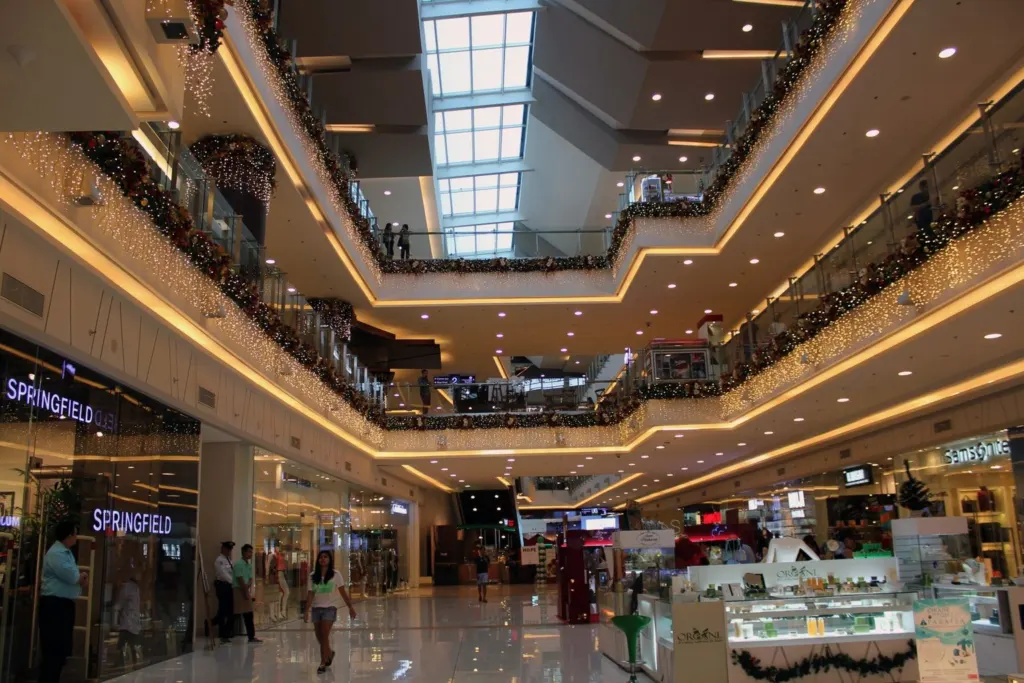
It is built by the same UOL and CapitaLand Development team behind Parktown Residence, and the mall owner, CICT, already runs malls such as Tampines Mall and Junction 8. Hougang is also short of retail space: about 2.8 sq ft per person against a national average of about 11.4 sq ft. So the mall fills a real gap for about 230,000 residents.
The checklist still applies. Stack facing, the MRT route and residential access have not been published yet. Look for them in the site plan and floor plans once released, and read how the Cross Island Line interchange adds to the location.
To receive the site plan and stack details when they are out, register your interest below.
Transaction figures are approximate and based on reported data. LinkTown Residences details are as announced at the land award and may change.