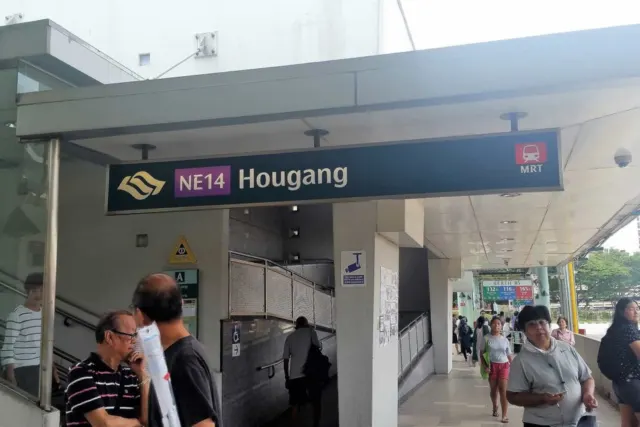
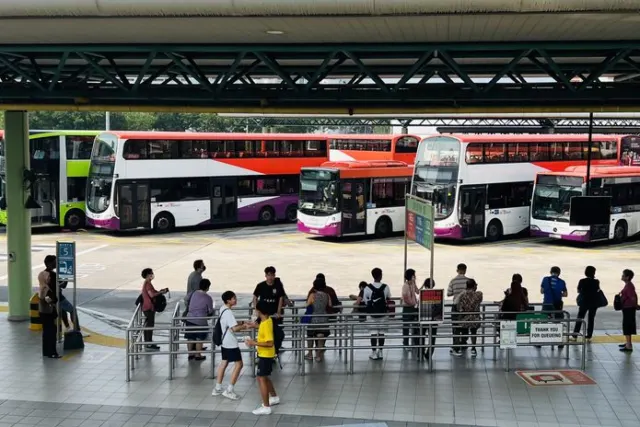
Government Land Sales (GLS) Explained: How Sites Like Hougang Central Become Condos
How Singapore’s Government Land Sales programme works: Confirmed vs Reserve List, tenders, psf ppr, and how the Hougang Central GLS site went from tender to LinkTown Residences.
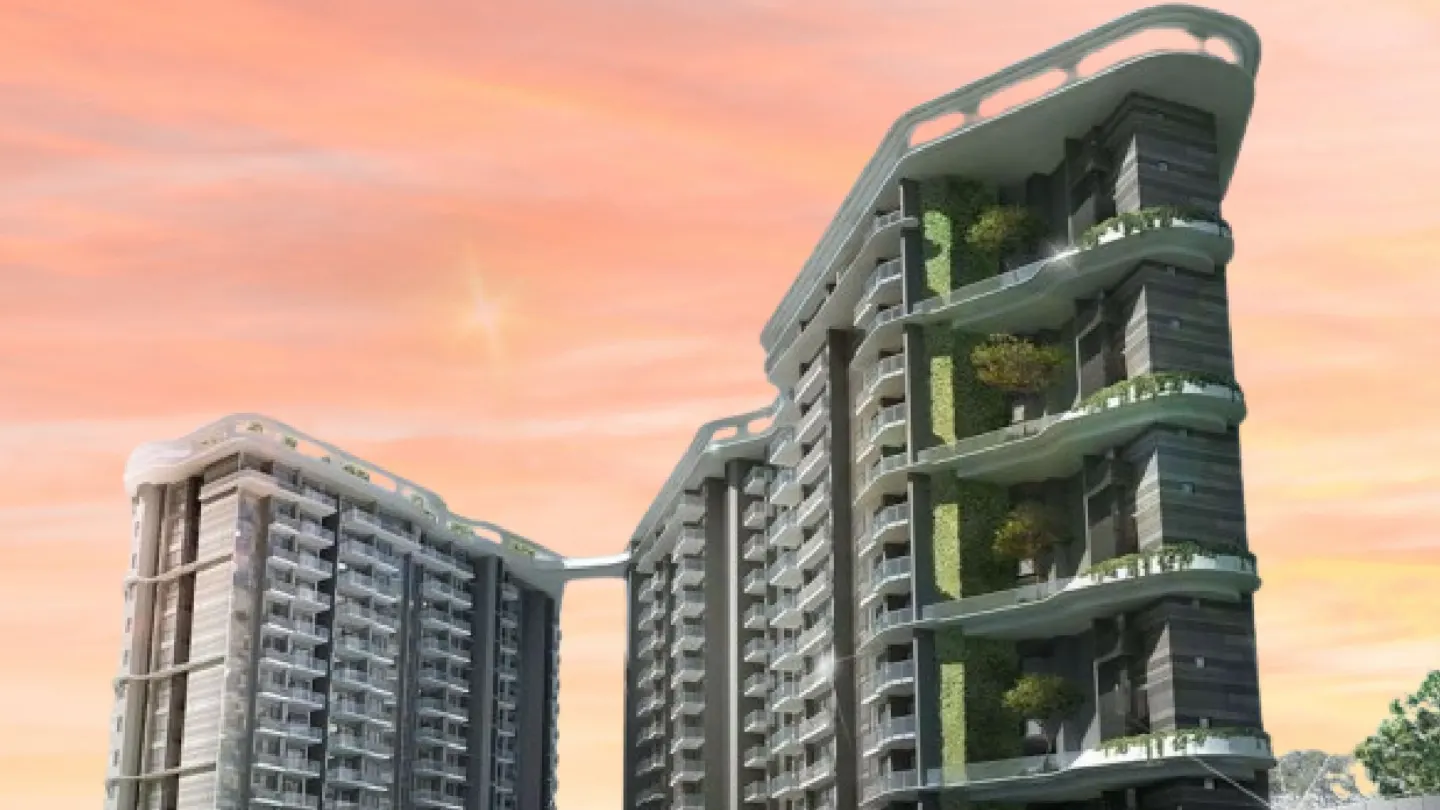
Most new condos in Singapore start life as a line in a government press release. Before there is a showflat, a brochure or a price list, there is a plot of state land, a tender and a winning bid. That process is the Government Land Sales (GLS) programme, and it shapes how many new homes come onto the market, where they go and, indirectly, what they cost.
This guide explains how GLS works, what the Confirmed and Reserve Lists mean, how to read a land bid, and follows one real site from tender to launch: Hougang Central, which is becoming LinkTown Residences (Hougang Central Residences).
What is the Government Land Sales programme?
Singapore’s Government owns most of the land. To meet housing and commercial demand, the Ministry of National Development (MND) announces a GLS programme every half-year, commonly called “1H” and “2H”. URA sells most private residential, commercial and mixed-use sites, and HDB also sells some. Sites can be zoned for private homes, executive condominiums, commercial use, hotels or a flexible “white” mix.
The programme serves two goals. It keeps a steady pipeline of new homes so supply matches demand, and it gives developers visibility on what land is coming so they can plan. When prices run hot, the Government tends to place more sites on the Confirmed List; when the market cools, it can lean more on the Reserve List.
Confirmed List vs Reserve List
| Confirmed List | Reserve List | |
|---|---|---|
| When sold | Launched on pre-determined dates | Only when triggered |
| How triggered | No trigger needed | A developer applies with a minimum price the Government accepts, or enough unrelated parties submit minimum prices close to the Government’s reserve price |
| Sale method | Mostly public tender | Public tender once triggered |
| Role | Guaranteed supply | Flexible buffer if demand is stronger |
URA says there is no set “acceptable” minimum price in advance; it depends on market conditions, the number of independent applications and the site itself.
GLS 2026: the latest numbers
For the second half of 2026, URA announced on 3 June 2026:
- 9Confirmed List sitesEight private residential sites and one white site, yielding about 4,745 homes including 735 EC units.
- 13Reserve List sitesCould yield about 4,455 more homes, plus commercial space and hotel rooms.
- 9,320Full-year 2026 Confirmed supplyMore than 50% above the 10-year annual average, according to URA.
URA also said the total private housing pipeline, including ECs, would rise to around 61,000 units. The first-half 2027 programme is usually announced around the end of the preceding year, so check URA’s site for the latest government land sales 2026–2027 figures before you rely on any list.
Figures from URA’s 2H2026 GLS Programme release (3 June 2026). Programmes are revised every six months.
How a GLS tender works
- Launch. URA releases the tender with conditions: site area, zoning, maximum gross floor area, lease (commonly 99 years for residential) and technical requirements. For mixed-use sites, there can be conditions on the bus interchange, public spaces or links to the MRT.
- Tender period. Developers, often in joint ventures, study the site and submit sealed bids. Large, complex sites can have longer tender periods.
- Close and results. When the tender closes, the bids and bidders are published. Industry watchers compare the top bid with the next and with recent land prices.
- Award. The site is usually awarded to the highest bid if it is acceptable to the Government. Some sites use a two-envelope concept-and-price process where design quality is assessed first.
- Design, approvals and launch. The developer finalises plans, obtains approvals and launches sales, often within about a year or so of award for residential projects.
Reading a land bid: what “psf ppr” means
Land bids are quoted in dollars per square foot per plot ratio (psf ppr). That is the land price divided by the maximum gross floor area allowed, not by the site area. It tells you the land cost for each square foot the developer can build.
Land is only one part of a developer’s cost. Construction, financing, professional fees, taxes, marketing and margin all sit on top. So you can’t turn psf ppr into a launch price with a simple formula. But a higher land price usually points to a higher selling price, and analysts use it as a starting point for estimates.
Case study: Hougang Central GLS
The Hougang Central GLS site is a textbook example of a mixed-use government land sale.
| Stage | What happened |
|---|---|
| Site | Commercial and residential site at Hougang Central, District 19; ~504,820 sq ft site area; plot ratio 2.5; GFA ~1.27 million sq ft; 99-year lease |
| Tender launched | Put out for tender by URA in 2025 |
| Tender closed | 16 December 2025, with three bids |
| Top bid | UOL + CapitaLand Development + CICT: S$1.5 billion, S$1,179 psf ppr, 2.06% above the second bid (Sim Lian, ~S$1,155 psf ppr) |
| Awarded | 14 January 2026; the first major mixed-use GLS site in Hougang in over a decade |
| What it becomes | About 830 homes (CapitaLand Development 50%, UOL 40%, Kheng Leong 10%; for sale), a ~300,000 sq ft mall owned by CICT, a new bus interchange and a town plaza, linked to Hougang MRT |
| Next | Sales launch expected early 2027; completion expected 2030/2031 |
The narrow gap between the top two bids suggests the bidders valued the site similarly, which is a sign of confidence in demand for integrated homes at a future NEL–CRL interchange. Our full Hougang Central land bid analysis looks at the bids in detail, and our LinkTown price estimate shows how analysts arrived at about S$2,500–2,600 psf.
What GLS means for home buyers
- Supply watch. A heavy Confirmed List means more launches in 1–2 years, which can keep new-launch prices in check. Few sites in a town make each new project there scarcer.
- Price signals. Land bids give an early hint of launch pricing, long before a price list.
- Lease. Most GLS residential sites carry 99-year leases. See leasehold vs freehold.
- Timing. From award to launch is often around a year; from launch to completion, a few years more. Our LinkTown launch timeline tracks where Hougang Central is.
- Location context. Most GLS homes are in the Outside Central Region, where many HDB upgraders buy; see OCR, RCR and CCR explained.
Browse current projects on our new launches page, and register for LinkTown Residences updates to get prices and plans when the developers release them.
GLS rules and figures are as published by URA and MND and are revised every six months; check URA for the latest. Land price figures for Hougang Central are as reported at the tender. Information as at Sep 2026.