Condo Maintenance Fees Explained: Share Value, Sinking Fund and How to Budget
How Singapore condo maintenance fees are set, why larger units pay more, the difference between the management fund and sinking fund, and how to budget for LinkTown Residences before fees are announced.
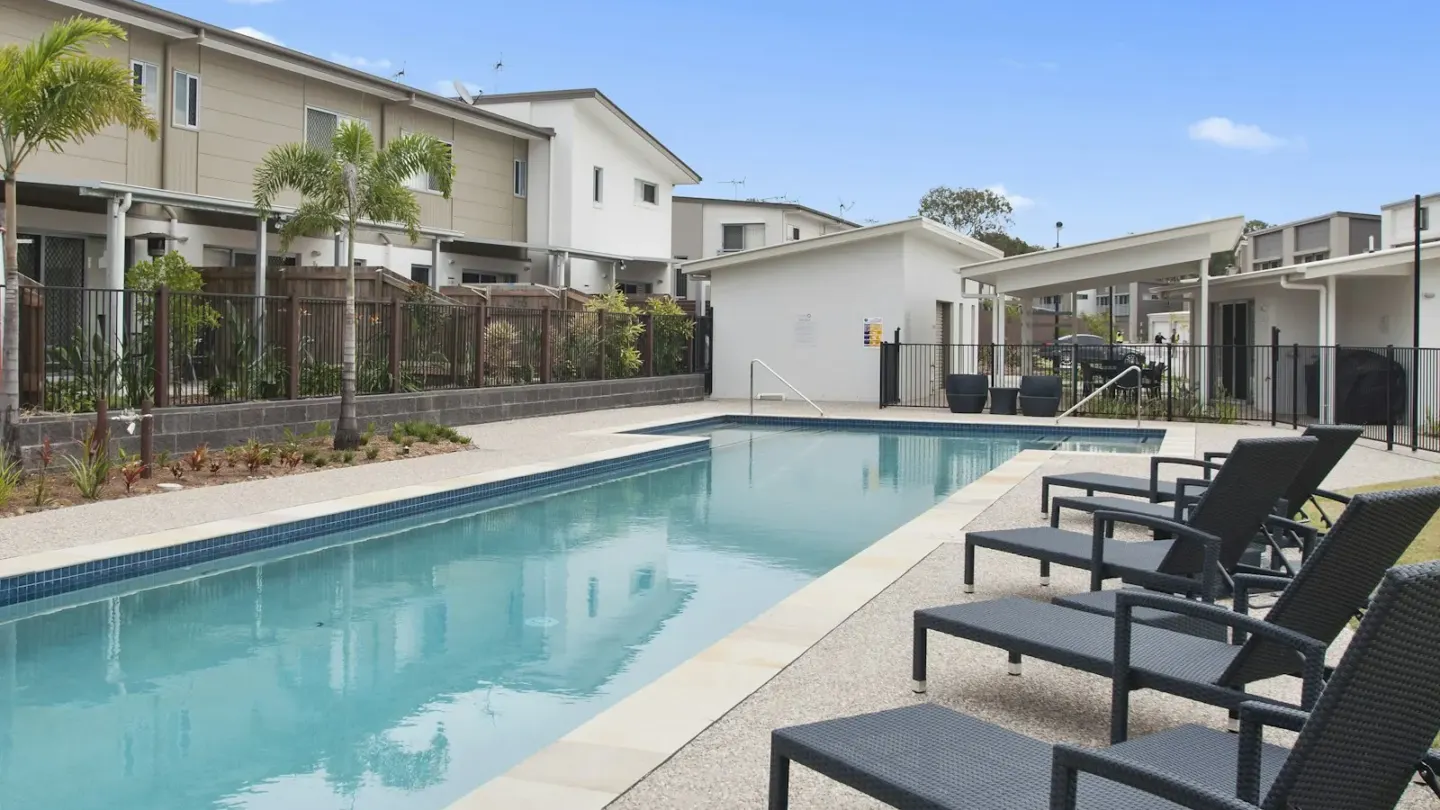
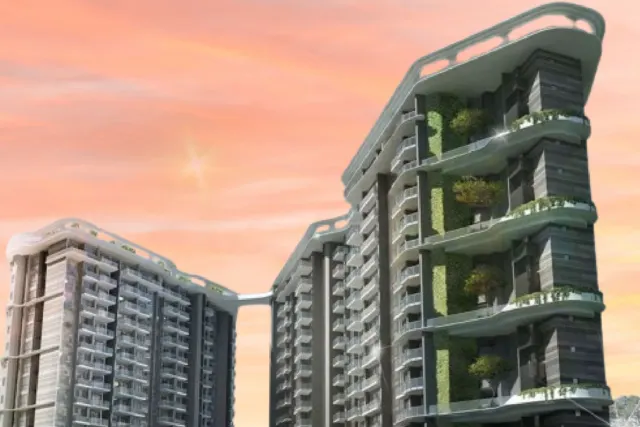
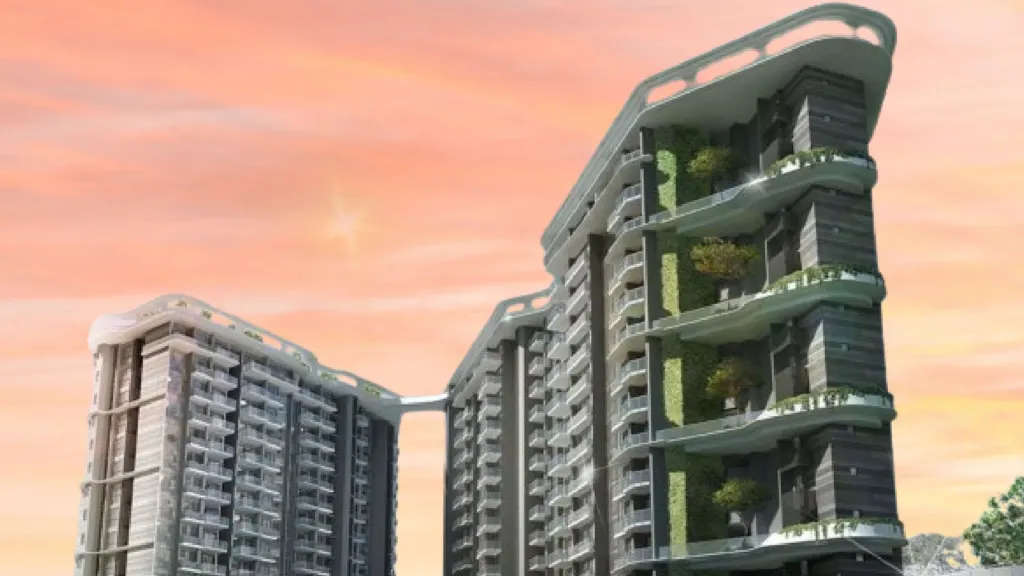
The condo maintenance fee is one of the most overlooked costs of ownership. It doesn’t appear in the price list, it isn’t paid during construction, and it can’t be paid with CPF. But once you collect your keys, it arrives every quarter for as long as you own the unit. This guide explains how the fees are set, what drives them, how integrated developments differ, and how to plan for them at LinkTown Residences (Hougang Central Residences), the upcoming condo above the new Hougang Central mall and bus interchange.
Who sets the condo maintenance fee
Every condo is managed by a Management Corporation Strata Title (MCST), the legal body made up of all the owners. It maintains the common property, from the pool and gym to lifts, lobbies, landscaping and car parks, and collects contributions from owners to pay for it.
A new development goes through two stages:
- Before the MCST is formed, the developer manages the property and sets the initial contributions, based on its estimate of running costs.
- After the MCST is formed, owners elect a council, approve budgets at general meetings, and can raise or lower the contributions.
Fees generally start once you take vacant possession of your unit, after TOP. Until then, your costs are the progressive payments explained in our progressive payment guide.
Share value: why larger units pay more
Each unit is allotted a number of share values when the development is strata-titled. Share values are generally linked to the size of the unit, and are often assigned in size bands, so two units of slightly different size can share the same share value. Your fee is simply:
Your share value × the rate per share value set by the MCST
That is why a 4-bedroom pays more than a 1-bedroom. Because of the banding, however, smaller units can end up paying more per square foot than larger ones. Share values also decide your voting weight on some MCST resolutions and your share of proceeds in a collective sale.
A hypothetical example
The table below uses made-up share values and a made-up rate of S$70 per share value per month. It is not a forecast for LinkTown Residences or any real project. It only shows how the calculation works.
| Hypothetical unit | Share value | Monthly | Quarterly | Yearly |
|---|---|---|---|---|
| Smaller unit | 5 | S$350 | S$1,050 | S$4,200 |
| Mid-sized unit | 6 | S$420 | S$1,260 | S$5,040 |
| Larger unit | 7 | S$490 | S$1,470 | S$5,880 |
If that S$70 were split 90:10 between the management fund and sinking fund, S$63 per share value would go to running costs and S$7 to long-term reserves.
Management fund vs sinking fund
- 1Management fundDay-to-day running costs: the managing agent, security, cleaning, landscaping, pool and gym upkeep, common-area electricity and water, insurance, and routine repairs.
- 2Sinking fundMoney set aside for large, less frequent costs: repainting the blocks, replacing lifts, pumps or the roof membrane, resurfacing, and major upgrades.
Contributions to both funds are usually billed together, typically quarterly, and the MCST keeps them in separate accounts. The sinking fund must not be dipped into for routine running costs, which is why a development can look well run day to day yet still be short of money for major works years later.
A healthy sinking fund matters more than it seems. If it is too small when a big repair falls due, the MCST may need to raise a special levy on all owners. When you eventually sell, buyers and their agents may look at the MCST’s accounts, so a well-funded development can be easier to resell.
What pushes fees up or down
Factors that tend to raise fees
- Extensive facilities: several pools, clubhouses, sky gardens and water features all cost money to run.
- High-rise towers with many lifts, which are costly to maintain and eventually replace.
- Manned security, concierge services and generous landscaping.
- Rising wages, utilities and contract costs over time.
- An underfunded sinking fund that needs topping up.
Factors that tend to lower fees per unit
- Scale. Large developments can spread fixed costs, such as the managing agent and security, across more units. At about 830 homes, LinkTown Residences is a large development by Singapore standards.
- Energy-efficient design and equipment that lower utility bills.
- Good contract management by the MCST, including regular re-tendering of service contracts.
Integrated developments: shared spaces, shared costs
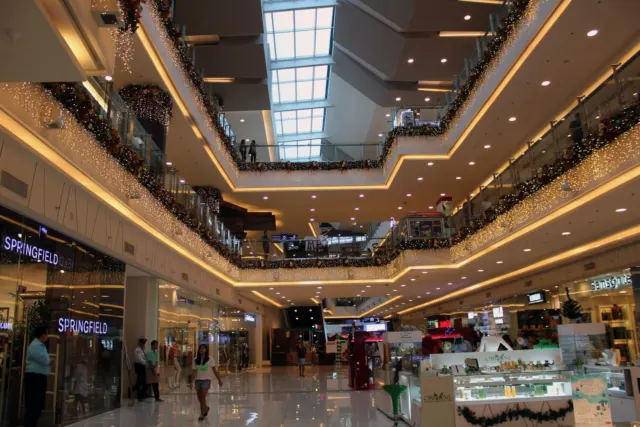
In an integrated development, the homes sit alongside a mall, transport facilities and public spaces. At Hougang Central, the residential component is being developed by CapitaLand Development, UOL and Kheng Leong, while the mall is to be developed and fully owned by CapitaLand Integrated Commercial Trust, alongside a new bus interchange and town plaza.
Depending on the strata arrangements, some costs for shared structures, services or areas may be split between the residential and commercial components. How that split works for LinkTown Residences has not been published.
When details emerge, look for:
- Which areas are residential-only common property, and which are shared or owned by the mall.
- Whether residents contribute to shared items such as certain drop-off points, link ways or building systems.
- Access arrangements between the condo, the mall and Hougang MRT, and who maintains them.
Our integrated development explainer covers how these projects are structured, and the site plan page will be updated as the layout is released.
How to budget before fees are announced
With completion expected around 2030 to 2031, you have time. A practical approach:
- Look at comparable developments. Ask for the current fees at other large integrated condos near a mall and MRT, and at newer Hougang condos. Your agent can help.
- Build in a buffer. Costs rise over time, and the first few years’ fees can change once the MCST takes over.
- Plan for cash, not CPF. Maintenance fees are paid from your own funds.
- Add other running costs. Property tax, home insurance, utilities and, for investors, periods without a tenant.
- Factor fees into rental returns. Net yield depends on fees. Try our rental yield calculator with a range of assumptions.
- Check again at handover. The developer will state the initial contributions closer to TOP.
Questions to ask the sales team
- When will the estimated maintenance fees be released?
- What share value is allotted to the unit you are considering?
- How will costs be shared between the residential and commercial components?
- What is the planned split between the management fund and sinking fund?
If you would like the maintenance fee estimates and share values once they are published, register your interest and we will keep you updated.
All maintenance fee figures on this page are hypothetical and do not relate to LinkTown Residences or any real development. Fees for LinkTown Residences have not been announced. This is general information; check your development’s MCST documents and the rules under Singapore’s strata legislation.