Feng Shui and Choosing a Condo Unit in Singapore: A Practical Buyer’s View
Feng shui preferences shape how many Singapore buyers choose a unit. Here is a respectful, practical look at common preferences, how they overlap with sun, noise and views, why they can affect resale demand, and how they apply to an integrated development like LinkTown Residences (Hougang Central Residences).
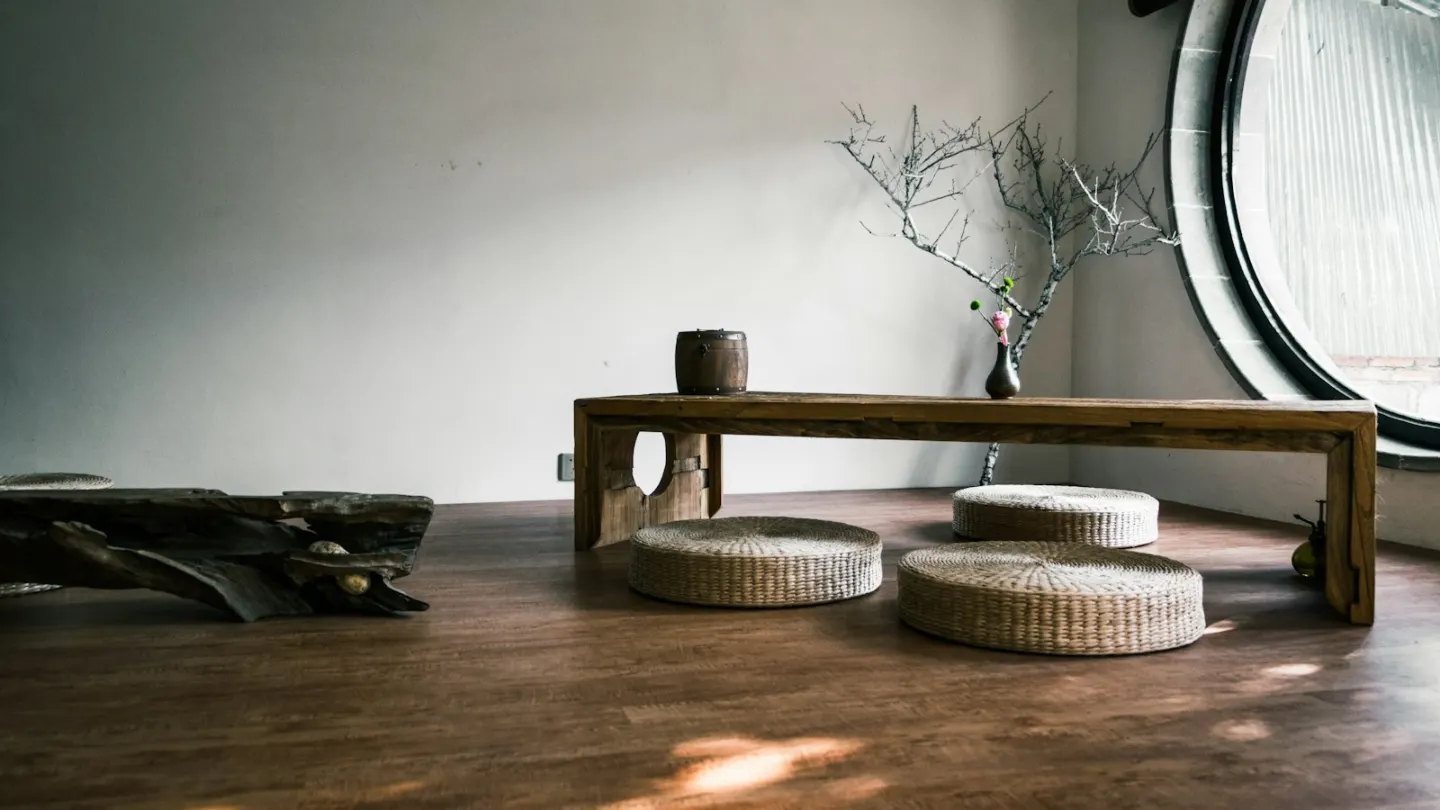
Ask a room of Singapore home buyers whether feng shui matters and you will get every answer from “very much” to “not at all”. Either way, feng shui in Singapore is part of how many local buyers look at a home, including when choosing a feng shui condo unit. That makes it worth understanding even if you do not follow it yourself, because it can affect who wants to buy your unit later.
This guide treats feng shui as a set of cultural preferences some buyers hold, not as advice or an endorsement. We explain the common ones, show where they overlap with practical factors, and apply them to LinkTown Residences (Hougang Central Residences), the upcoming integrated development above Hougang MRT. If you prefer to read in Chinese, see our Chinese-language feng shui guide to choosing a unit.
Feng shui in Singapore: common preferences buyers mention
Preferences differ between families, schools of thought and generations. These are the ones that come up most often when buyers choose a condo unit:
- 01FacingSome buyers prefer particular directions for the main door or living room, often tied to their birth details. Others simply want to avoid the strong afternoon sun.
- 02Main-door alignmentSome prefer that the main door does not look straight through to a window or balcony, or directly face another unit’s door or the lift.
- 03Unit and floor numbersSome buyers avoid the number 4, which sounds like the word for death in Chinese, and like 8, associated with prosperity.
- 04T-junction viewsA road that points straight at the block or unit is disliked by some buyers.
- 05Sharp cornersSome avoid views of sharp building edges or odd-shaped rooms with awkward angles.
None of these is a rule, and plenty of buyers ignore them entirely. Different practitioners can also give opposite readings of the same unit. But because enough buyers hold some of these preferences, they can quietly influence which units sell first.
Where feng shui and practical factors overlap
Many of these preferences line up with things any buyer should care about. That overlap is why they have lasted.
| Preference | Practical angle |
|---|---|
| Avoiding certain facings | West-facing units get more afternoon sun and heat. North–south facings are often preferred in Singapore for comfort. |
| Main door not aligned with window | More privacy from the corridor and a defined entrance, though straight-through layouts can help cross-ventilation. |
| Avoiding T-junctions | Headlights shining in at night and traffic noise from a road that ends at your block. |
| Avoiding sharp corners | Odd angles often mean wasted floor space and harder furniture planning. |
| Preference for calm views such as water or greenery | Better outlook, less noise and often stronger resale appeal. |
If you do not follow feng shui, you can still use this table. The practical side is covered in more detail in our guide to choosing a unit stack in an integrated condo.
How preferences can affect resale demand
When you sell, your buyer pool is everyone who might want your unit. A unit that some buyers rule out for cultural reasons starts with a smaller pool. That does not mean it cannot sell well. It may simply take longer to find the right buyer, or it may be priced to reflect weaker interest.
The reverse is also true. At launch, developers often price popular stacks and floors higher. Units numbered with an 8, or with a favoured facing, may carry a small premium, and some developments skip certain numbers entirely. If you do not share the preference, a less popular unit may offer better value on entry, as long as you accept the smaller resale pool. Watching the price list and balance chart on launch day shows which stacks are moving fastest.
A sensible middle ground many buyers use: shortlist on practical grounds first, then avoid the few features that most buyers in your likely resale market dislike.
Reading a floor plan with these preferences in mind
Most layout points can be checked on paper before you visit the showflat:
- Door-to-window line. Trace a line from the main door. Does it run straight to the balcony?
- Room shapes. Look for angled walls, triangular corners and long, thin rooms.
- Kitchen and toilet placement. Some buyers prefer that toilets do not sit at the centre of the home or face the main door.
- Bedroom positions. Check which rooms get the morning versus afternoon sun.
Our guide on how to read a condo floor plan explains the symbols and what counts in strata area. The indicative floor plans for LinkTown Residences reference the developers’ recent Parktown Residence; the final plans have not been released.
Applying this to an integrated development
LinkTown Residences sits above a mall of around 300,000 sq ft, a new Hougang bus interchange and a town plaza with a sheltered public event space, linked to Hougang MRT (NE14). That creates a few questions you would not face in a standalone condo.
Views over the plaza
A plaza is open space, which many buyers like. But it is also where events happen, so it can be lively and sometimes noisy. Some buyers see a busy, active view as positive; others prefer quieter outlooks.
Views over the bus interchange and roads
Units facing the bus interchange or access roads may pick up bus movement, noise and lights from early morning to late night. For some buyers, looking onto a road that heads straight toward the block is also a feng shui concern. Practically, the question is noise and privacy.
Greener outlooks
Water and greenery views are widely liked, both for feng shui and for calm.
The site plan, block orientation and stack numbering for LinkTown Residences have not been released. Once they are, check the site plan page to see which stacks face the plaza, the interchange or greener directions.
A short checklist
- Decide how much weight you, and your family, give to feng shui.
- Shortlist stacks on sun, noise, privacy and views.
- Within that shortlist, check door alignment, room shapes and unit numbers.
- Think about your likely resale buyer and what they may prefer.
- If feng shui is important to you, get a practitioner’s view before booking day.
Want to see the stacks and facings as soon as the Hougang Central condo releases its plans? Register your interest to get the site plan and floor plans when they are out.
This article describes cultural preferences for general information. It is not feng shui advice and makes no claim about outcomes. Site plans, orientations and unit numbering for LinkTown Residences have not been announced.